
Lessons from Our Presidents

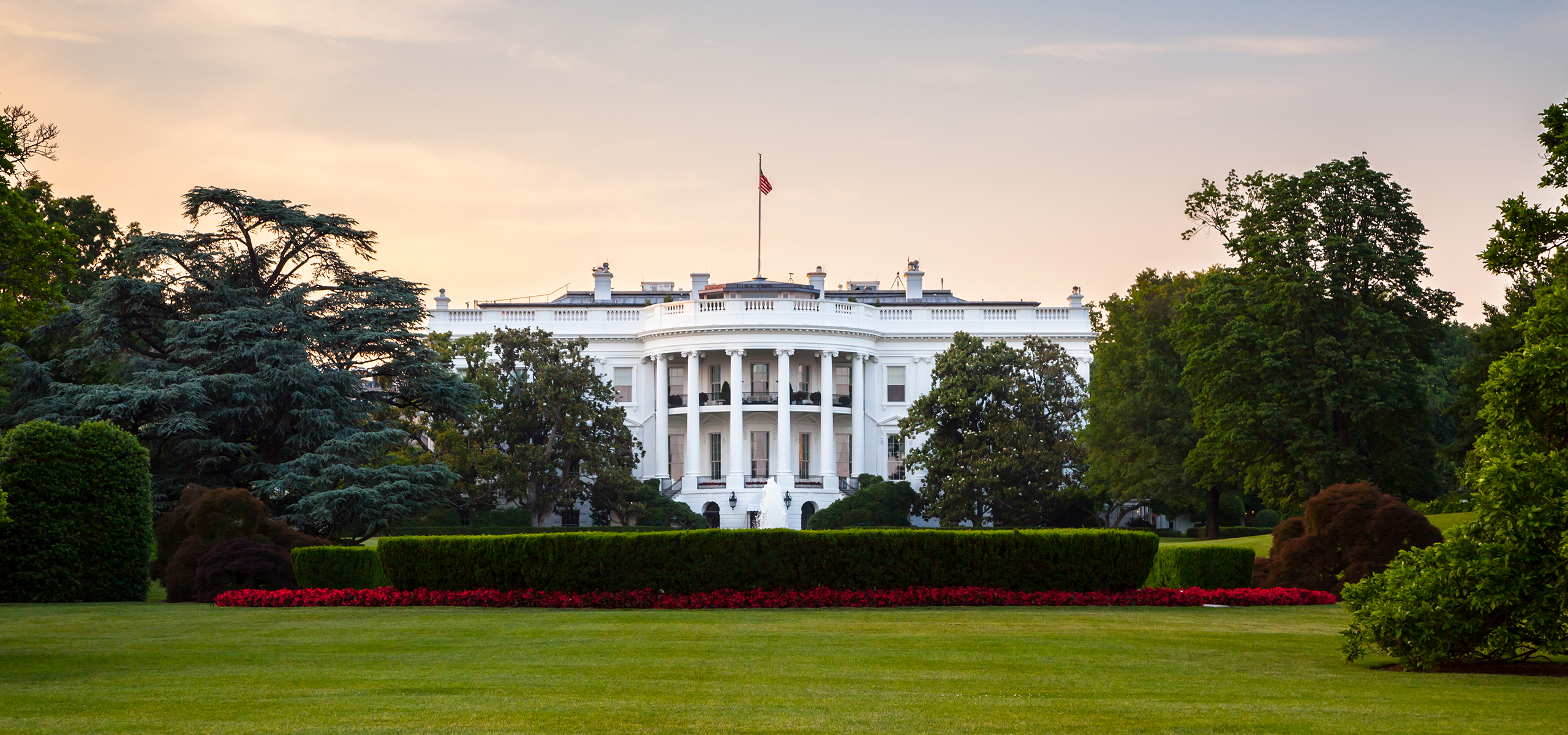
A trivia question for you: Can you name the only U.S. presidents ever arrested together?
One spring afternoon in 1791, a rural sheriff pulled over and arrested Thomas Jefferson and James Madison. Their crime? Riding in a carriage in Virginia on a Sunday. Despite their early “criminal activity,” they were later elected to the highest office in the land.
Madison, by the way, was a small man, only 5’4” and never weighing more than 100 pounds. Our largest president? Abraham Lincoln stood the tallest at 6’4,” but William Howard Taft was the largest at 325 pounds.
The observance of President’s Day in February marks a good time to think about those elected to the most powerful office in the world. What can we learn from them? Here are lessons gleaned from several of the 44 individuals who led our nation.
From George Washington, we can learn the ability to speak briefly, yet meaningfully. During all the debate at the Continental Congress that elected him to lead the colonists in the war for independence, Washington seldom spoke. An occasional nod of his head showed he favored an issue. When he did speak, it was never for more than ten minutes at a time.
Years later, when delegates were hammering out the Constitution, Washington offered this brief statement: “Let us raise a standard to which the wise and the honest can repair. The event is in the hands of God.”
William McKinley, our 25th president, gives a lesson in judging character. He once had to choose between two men equally qualified for a job. He puzzled about who to pick until he remembered an incident from years earlier. Rain poured one night as McKinley boarded a streetcar. He spotted one of the men now under consideration for the job. However, the man did not see McKinley. Soon an elderly woman, struggling with a basket of laundry, boarded the streetcar. She looked in vain for a seat on the crowded vehicle. The man pretended not to see the woman. McKinley gave his seat to her.
Now, years later, pondering which man to hire, McKinley remembered the streetcar incident, calling it “this little omission of kindness.” He decided not to hire the man who ignored the poor woman on a rainy night. Instead, he offered the job to the other candidate.
How easy it is to become absorbed with ourselves, our schedules, and our concerns. Someone observed there are two kinds of people in life. Some walk into a room and say, “Well, here I am.” Others walk in and say, “Ahh, there you are.”
Abraham Lincoln is remembered as a devout man. But earlier in life he was a skeptic. On one occasion he recommended the scriptures to Joshua Speed, a “fellow skeptic” from Lincoln’s Springfield, Illinois, days. Speed was amazed to see Lincoln reading the Bible. So, the president told him, “Take all that you can of this book upon reason, and the balance on faith, and you will live and die a happier man.” Good advice for all of us.
Not all presidents were intellectual giants or men of great stature and accomplishment. For instance, when John Tyler left office, he couldn’t get a job. He finally went to work tending stray horses and cows at a village pound.
Martin Van Buren was reportedly so vain that when his White House goods were auctioned, the carpet in front of the mirror was found to be threadbare from practicing his speeches there.
So, what do we learn from our presidents? Some good; some not so good. Maybe that’s why we decided to inscribe on our money this valuable lesson: “In God we trust.”
Central Indiana resident Ron McClung once shook hands with John F. Kennedy, the only president he ever met. And that was before Kennedy became president. Candidate Kennedy was standing alone on the high school campus in Parkersburg, West Virginia, where McClung was a senior. As a motorcade formed, the candidate had a few moments to himself. Ron walked over, introduced himself, and wished Kennedy well in the upcoming election.
Related Posts

Finding Thanksgiving Joy in the Absence of Family

Preparing for and Reflecting on Christ’s Birth with Advent Traditions

How Advent Awakens Your Soul

Starting the New Year with God at My Side

Five Reasons Greeting Cards Remain in Style










Comments